

Storm Damage Tree Cleanup

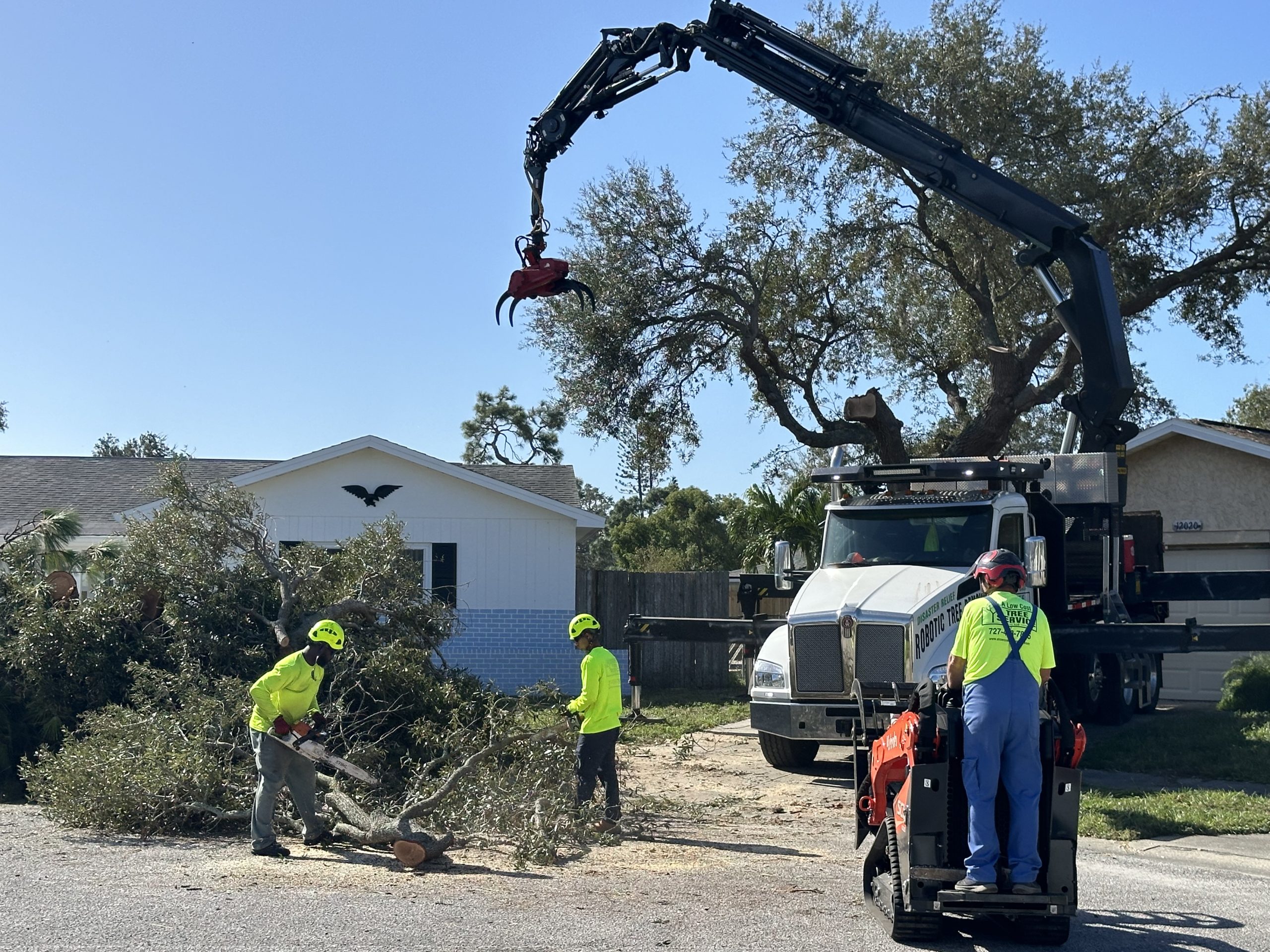
Storm damage tree cleanup is essential when severe weather leaves fallen trees, broken limbs, and dangerous debris scattered across your property. High winds, lightning strikes, and torrential rain can transform healthy trees into hazardous wreckage within minutes.

A Low Cost Tree Service delivers professional storm damage tree cleanup that restores safety and access to your property quickly. Our experienced team responds rapidly to remove fallen trees, clear debris, and help you recover after storms. For a complete range of tree care solutions, visit our Tree Services page.
Your Local Tree Removal Contractor.

    Storm Damage Tree Cleanup in @fname@

    Understanding Storm Damage Tree Cleanup

    Storm damage tree cleanup involves removing fallen trees, broken branches, and other debris caused by severe weather. This service goes beyond simple cleanup—it’s about restoring safety, access, and peace of mind after a storm.

    What Storm Damage Tree Cleanup Includes:

    • Fallen tree removal – Safe removal of trees that have fallen on homes, vehicles, or property

    • Branch and limb removal – Clearing broken branches that pose hazards

    • Debris cleanup – Removing storm debris from your property

    • Emergency response – Fast service for urgent storm damage situations

    • Property restoration – Leaving your property safe and accessible

    If a tree has fallen on a structure or power lines, it’s an emergency. Our Emergency Tree Service provides immediate response for these dangerous situations.

    Storm Damage Tree Cleanup in @fname@

    Why Florida Properties Need Storm Damage Tree Cleanup

    Florida’s Severe Weather Reality

    Living in Florida means facing powerful storms. Summer thunderstorms, hurricanes, and tropical storms can cause significant tree damage in minutes. High winds can snap trunks, uproot trees, and send limbs crashing through roofs.

    The Florida Growth Factor

    Our warm, humid climate promotes rapid tree growth. Trees in Florida can grow large and heavy quickly. When these large trees fail during storms, the resulting damage can be extensive.

    Common Storm Damage Scenarios in Florida:

    • Hurricane damage – High winds uproot trees or snap them like twigs

    • Lightning strikes – Lightning can split trunks and shatter branches

    • Tornado damage – Twisting winds can cause unpredictable tree failures

    • Heavy rain – Saturated soil makes trees more likely to topple

    • Straight-line winds – Powerful wind gusts can fell trees without warning

    Signs You Need Storm Damage Tree Cleanup

    After a storm, you may need storm damage tree cleanup if you notice:

    Visible Signs on Your Property

    • Fallen trees or large branches

    • Broken limbs hanging from trees

    • Trees leaning dangerously

    • Debris scattered across your yard

    • Trees or branches touching your home

    • Uprooted trees with exposed roots

    Access or Safety Issues

    • Driveway or road blocked by fallen trees

    • Trees or branches near power lines

    • Damage to your home, roof, or vehicles

    • Fence or structure damage from fallen trees

    • Trees that appear unstable or ready to fall

    After a Storm

    • You hear cracking sounds from trees

    • Trees that were healthy before the storm now look damaged

    • You notice soil heaving around tree bases

    • Trees are leaning more than before

    If you notice any of these signs, contact us for professional storm damage tree cleanup. For urgent situations, our Emergency Tree Service provides fast response.

    Our Storm Damage Tree Cleanup Process

    Step 1: Emergency Response

    When you call with storm damage, we prioritize your situation. Our team gathers information and dispatches the appropriate equipment and crew to your property.

    Step 2: Safety Assessment

    Upon arrival, our team assesses the situation. We evaluate fallen trees, hanging limbs, and other hazards to determine the safest approach for cleanup.

    Step 3: Hazard Removal

    We remove immediate dangers first—trees threatening structures, blocking access, or near power lines. Our priority is making your property safe.

    Step 4: Comprehensive Cleanup

    We remove fallen trees, broken branches, and debris from your property. For complex situations, our Crane Tree Removal services may be necessary. We also offer Tree Cutting Service options depending on the situation.

    Step 5: Property Restoration

    We leave your property safe and accessible. We can remove all debris from your property or arrange for additional cleanup if needed.

    Step 6: Follow-Up

    We provide guidance on any additional work that may be needed, including Hazardous Tree Removal for trees that were damaged but didn’t fall.

    What to Do After a Storm

    If you’ve experienced storm damage on your property, follow these steps:

    1. Stay Safe

    • Keep everyone away from fallen trees and hanging branches

    • Do not approach trees near power lines

    • Watch for additional falling debris

    2. Assess the Damage

    • From a safe distance, note what has been damaged

    • Take photos for insurance purposes

    3. Call for Help

    • If there are injuries, call 911 immediately

    • If power lines are down, call your utility company

    • Contact us for professional storm damage tree cleanup

    4. Contact Your Insurance Company

    • Report the damage to your homeowner’s insurance provider

    • Ask about coverage for tree removal and cleanup

    5. Secure the Area

    • If possible, rope off dangerous areas

    • Keep children and pets away from fallen trees and debris

    Storm Damage and Insurance

    Understanding your insurance coverage can help you navigate the claims process.

    What Insurance May Cover:

    • Tree removal if the tree damaged a structure

    • Damage to your home, roof, or other structures

    • Damage to vehicles if comprehensive coverage applies

    What Insurance May Not Cover:

    • Tree removal without structural damage

    • Routine cleanup of fallen branches

    • Preventive tree removal

    How We Can Help:

    • Provide documentation for your insurance claim

    • Provide estimates for tree removal and cleanup

    • Work with your insurance company to streamline the process

    Storm Damage Tree Cleanup in @fname@

    Frequently Asked Questions About Storm Damage Tree Cleanup

    What does storm damage tree cleanup include?

    Storm damage tree cleanup includes removing fallen trees, broken branches, and debris caused by severe weather. This includes cutting up fallen trees, clearing debris from your property, and making your property safe and accessible.

    How quickly can you respond to storm damage?

    We prioritize storm damage calls and respond as quickly as possible. For urgent situations, our Emergency Tree Service provides fast response.

    Is storm damage tree cleanup covered by insurance?

    Coverage varies by policy. Most homeowner’s insurance policies cover tree removal if the tree has damaged a structure. Coverage for removal without structural damage is less common. Review your policy or contact your insurance provider for details.

    Can you remove a tree that has fallen on my house?

    Yes. Our team is trained and equipped to safely remove trees from structures. We coordinate with homeowners and their insurance companies to ensure the job is done safely and thoroughly.

    What should I do if a tree falls on a power line?

    Stay away from the fallen tree and any power lines. Call your utility company immediately. Do not attempt to touch or move the tree. Once the utility company has confirmed the area is safe, we can remove the tree.

    Trusted Storm Damage Tree Cleanup

    Storm Damage Tree Cleanup From fallen trees and hazardous limbs to complete debris removal, our experienced team provides safe, efficient, and affordable cleanup services that restore safety, protect property, and give you peace of mind.  from A Low Cost Tree Service helps homeowners and businesses recover quickly after severe weather causes tree-related damage.